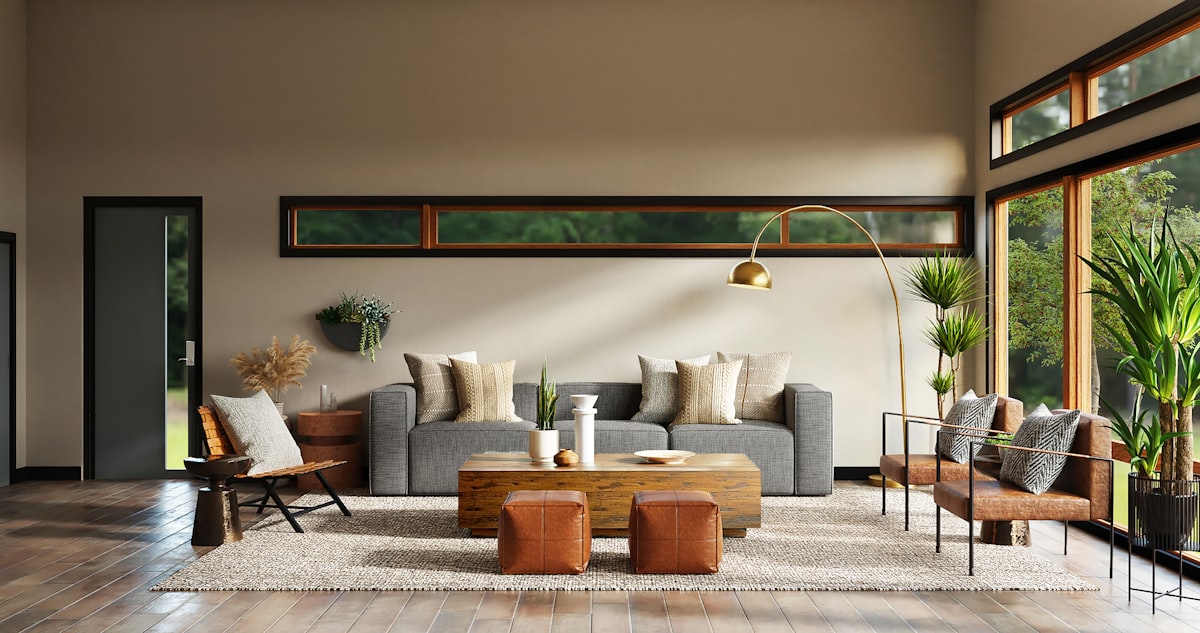
Living room furniture carries a wide range of expectations. In a private home it should feel personal and comfortable. In serviced apartments, clubhouses, rental villas, and show flats it must also handle repeated use, cleaning, and occasional neglect. Material selection is therefore more than a style decision. It is a prediction about how the sofa, table, cabinet, or lounge chair will age in the hands of real users.
For sofas and lounge chairs, the frame is the quiet foundation. Kiln-dried hardwood, engineered plywood, and reinforced metal each have a place, but the construction must match the design. A low modern sofa with broad arms needs internal support that prevents twisting. A slim accent chair may require metal reinforcement hidden inside a wood profile. Buyers should request frame descriptions and, for custom orders, photos before upholstery covers the structure.
Foam and suspension determine whether seating stays attractive after the first few months. High-density foam is usually better for project use, but density alone does not describe comfort. Layering, resilience, and seat depth also matter. Webbing, springs, or a combination system should be chosen according to the product type. A showroom sofa that feels cloud-soft may not be the right choice for a rental lounge where cushions must recover quickly after many guests.
Wood finishes bring warmth but need realistic expectations. Veneer can provide stable, beautiful surfaces for cabinets and tables when the substrate and edge details are well made. Solid wood offers character but may move with humidity if not engineered correctly. Painted finishes can look crisp in modern interiors, yet chips are more visible on sharp corners. Rounded edges, repair kits, and clear maintenance instructions help extend the life of living room pieces.
Table tops deserve special attention because they receive cups, laptops, bags, and cleaning sprays. Sintered stone and ceramic surfaces resist heat and staining, while marble offers natural luxury but requires more care. Tempered glass can lighten a room visually, though fingerprints and edge safety should be considered. Laminates are practical for budget-sensitive projects and have improved in texture, but the edge banding must be checked carefully.
Many project buyers compare local options with a furniture supplier from China when they need a broad mix of sofas, chairs, tables, and casegoods under one procurement schedule. The advantage can be coordination: matching finishes across categories, adapting dimensions to floor plans, and consolidating shipment details. The buyer still needs clear specifications, approved samples, and quality checks, but a capable supplier can simplify a complex living room package.
Hardware is small but important. Drawer slides, hinges, leveling glides, connectors, and leg plates influence daily performance. In living room cabinets, soft-close hardware should be tested with the actual door weight. In tables, leg attachment should feel rigid after assembly. For modular sofas, connectors should be easy for installers but not obvious to guests. These details rarely appear in inspirational images, yet they shape long-term satisfaction.
A durable living room does not have to look heavy or commercial. The goal is to choose materials that support the design story while respecting maintenance realities. Ask who will use the room, how often it will be cleaned, whether pieces may be moved, and what replacement timeline is acceptable. With those answers, material decisions become clearer. The finished space can feel welcoming on day one and still look intentional after years of everyday use.
Before signing off, teams should document the decision trail. A simple folder with finish references, marked drawings, approval photos, and cleaning notes prevents confusion when staff changes or a second phase begins. Furniture projects often last longer than the people managing them, so records need to be understandable without a long explanation. This habit also helps future maintenance teams order the right parts instead of replacing complete pieces unnecessarily.
Budget reviews should compare value rather than trimming details blindly. Removing a stretcher, changing foam, or choosing a cheaper fabric may save money at purchase but create visible wear sooner. A better approach is to protect the details that affect structure and daily use, then simplify decorative elements that do not change performance. This keeps the project honest: attractive enough for the brand, strong enough for the setting, and realistic for the operator.
Finally, schedule decisions with production lead time in mind. Custom finishes, imported fabrics, unusual hardware, and complex curves all require earlier approval than standard items. When the furniture calendar is connected to construction, shipping, and installation, the project team can avoid rushed substitutions. Good furniture planning is rarely dramatic; it is a series of clear choices made early enough for suppliers to execute them well.
The final review should include the people who will operate the space, not only the people who designed it. Housekeeping, servers, installers, property managers, and purchasing staff all notice different risks. Their comments can reveal whether a chair is too heavy to move, a table base is hard to clean around, or a fabric choice will create avoidable service issues. When this feedback is gathered before production, the project keeps its design character while becoming easier to live with every day.
Leave a Reply