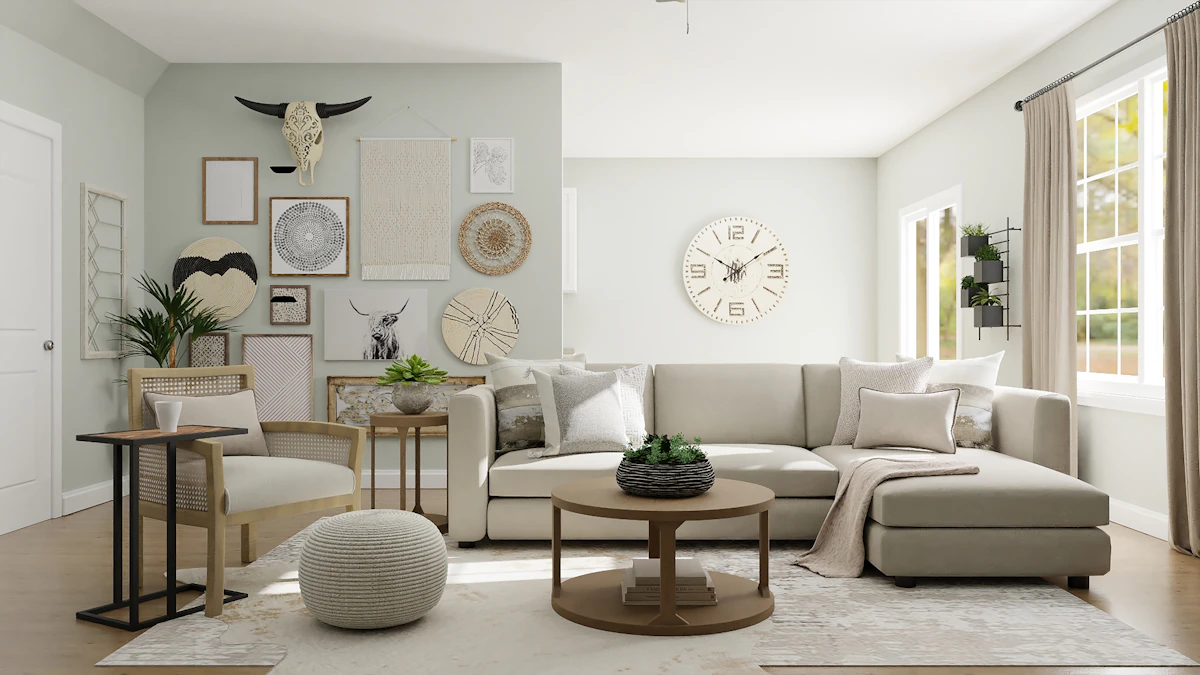
A living room is rarely used in just one way. It may be a place for watching films, hosting friends, reading, working on a laptop, playing with children, or taking a quiet coffee before the day begins. Because the room carries so many routines, furniture choices should be based on daily life rather than a perfect showroom photo.
The most successful living rooms are comfortable, practical, and easy to adjust as habits change. They look good because they work well.
Measure the room and the movement
Before choosing a sofa or coffee table, measure the room carefully. Include doorways, windows, radiators, outlets, stairs, and the path people use to move through the space. A sofa that fits the wall may still feel wrong if it blocks circulation or makes the room difficult to clean.
Leave enough space around seating so people can walk comfortably. Coffee tables should be close enough to use but not so close that knees hit the edge. If the room connects to a dining area or balcony, keep the route open.
Choose the sofa around habits
The sofa is usually the anchor of the living room. A deep sectional suits lounging and movie nights, while a slimmer sofa may work better in a compact apartment. Families with children or pets may prefer durable fabrics and removable cushion covers. People who entertain often may need a mix of sofa seating and accent chairs so conversations feel natural.
Do not judge comfort from seat softness alone. Seat height, back angle, arm width, cushion support, and fabric texture all matter. If several people use the room, choose a sofa that supports different sitting positions.
Balance storage and openness
Living rooms collect objects: remotes, books, blankets, toys, chargers, games, and seasonal decor. Storage furniture keeps these items under control. Media cabinets, sideboards, shelving, and lift-top coffee tables can help, but too much storage can make a room feel heavy.
Use closed storage for visual clutter and open shelves for items that add personality. A balanced room has breathing space. Every wall does not need to be filled.
Mix materials with purpose
Wood brings warmth, metal adds sharpness, glass can lighten a small room, and upholstery softens sound. The key is to repeat materials enough that the room feels connected. For example, a walnut coffee table can relate to a media cabinet, while black metal legs can appear on both a side table and a floor lamp.
When comparing products or requesting custom sizes, it can help to speak with a furniture supplier from China that understands material options, finishes, and practical production details. Clear communication about dimensions and use case is especially important when buying for multiple homes, apartments, or rental properties.
Think about cleaning and maintenance
A living room should not require delicate behavior every day. Light fabrics may need stain protection. High-gloss tables show fingerprints. Very soft cushions may need frequent reshaping. Open shelving gathers dust. These are not reasons to avoid certain styles, but they should be considered honestly.
If the room gets strong sunlight, check whether fabrics and finishes may fade. If drinks are often placed on the coffee table, choose a surface that resists water rings. If the sofa will be moved for cleaning, avoid pieces that are too heavy for the household.
Layer comfort through smaller pieces
Accent chairs, ottomans, side tables, rugs, and lamps make the living room more flexible. An ottoman can become extra seating, a footrest, or a soft table with a tray. A small side table gives every seat a place for a drink or book. A rug can define the seating area and reduce noise.
These smaller pieces are also easier to update than the main sofa. If you enjoy changing the look of the room, keep the larger furniture relatively timeless and use accessories for seasonal color or trend-led details.
Plan for change
Homes change. A room used by two adults may later need space for a child, a pet, remote work, or visiting relatives. Modular seating, movable tables, and flexible storage make change easier. Even if the current layout feels perfect, choose furniture that can adapt without replacing everything.
A practical living room does not mean a boring one. It means the design supports real behavior: relaxing, gathering, storing, cleaning, and moving through the space. When furniture is selected with those routines in mind, the room becomes more comfortable every day, not just when it is newly arranged.
Create a simple priority list
If the budget cannot cover everything at once, buy in order of daily impact. A supportive sofa, a correctly sized coffee table, and practical storage usually matter more than decorative accent pieces. Once the room functions well, lamps, side tables, rugs, and art can be added gradually.
This priority list also prevents impulse purchases. A chair may be beautiful, but if it blocks the walkway or has no relationship to the rest of the room, it will not improve daily comfort. Living room furniture should earn its place through use, proportion, and long-term flexibility.
Leave a Reply