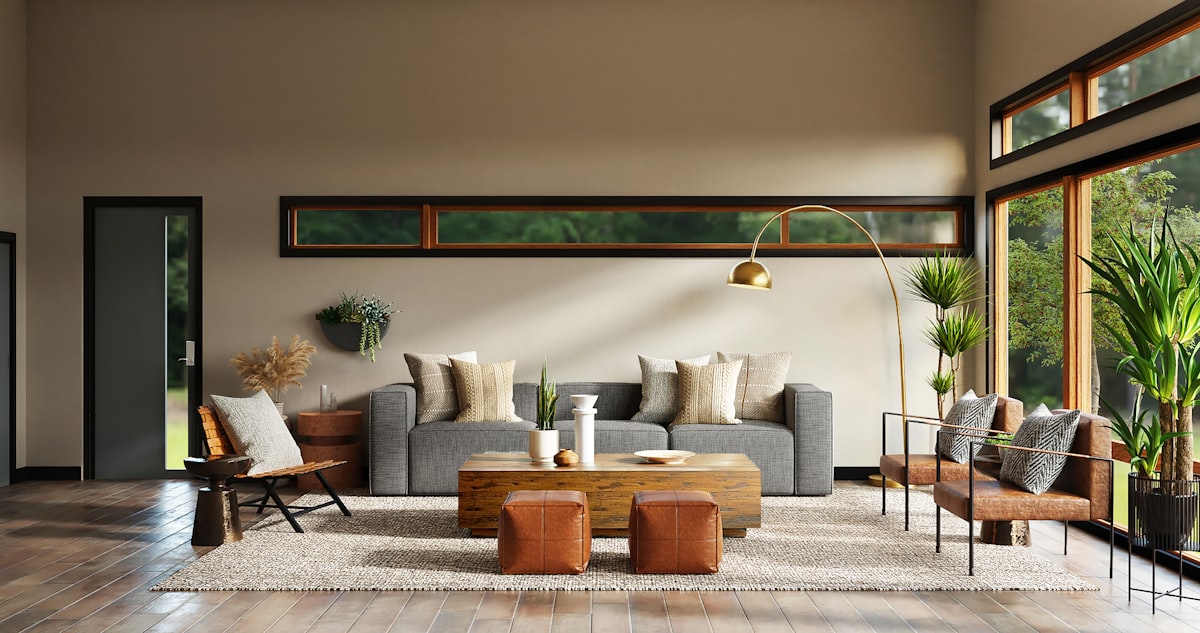
Living room furniture sets the tone for residential developments, serviced apartments, club lounges, and hospitality suites. It is the area where people relax, talk, work casually, and judge the comfort of a space. For project buyers, choosing a sofa or coffee table is not only a styling decision. It is a coordination task involving scale, materials, durability, delivery timing, and future maintenance.
The first principle is proportion. A large sofa may look luxurious in a showroom, but it can overwhelm a compact apartment living room. A small lounge chair may look elegant alone, but it may feel weak beside a deep sectional. Measure the room carefully and consider circulation paths around the furniture. Leave enough space between the sofa and coffee table for comfortable movement. In multi-unit projects, test the layout in the smallest unit type, not only in the model room.
Comfort should match the intended use. A clubhouse lounge may need deeper seating for relaxed conversations, while a serviced apartment may benefit from firmer cushions that support both sitting and working with a laptop. Seat depth, back height, arm height, and cushion density all influence how the furniture feels. If possible, review samples with several users instead of relying on one person’s preference. Comfort is subjective, but poor proportions are usually obvious when tested.
Upholstery selection is a major project decision. Fabric brings warmth and texture, while leather or faux leather can be easier to wipe in some environments. Performance fabrics are valuable for rental apartments and hospitality lounges because they resist stains and abrasion. Color matters too. Very light fabrics photograph beautifully but may require more maintenance. Dark fabrics hide some marks but can show lint or fading. Mid-tone textured materials often provide a practical balance.
Coffee tables and side tables need to be more than decorative. Guests place drinks, phones, books, laptops, and personal items on them. The height should relate to the sofa seat, and the edges should be comfortable in tight spaces. Stone tops add weight and a premium feeling, but they must be packaged and installed carefully. Wood and veneer tops bring warmth but need protective finishes. Metal bases should have glides to protect flooring.
Storage can improve living room usability, especially in smaller units. Media consoles, nested tables, ottomans with hidden compartments, and shelving can reduce clutter. However, storage furniture must be easy to open and close. Drawers that stick or doors that fall out of alignment quickly make a project feel poorly managed. Hardware quality is one of the hidden details that residents notice over time.
Style consistency should not mean every piece matches exactly. A room feels more natural when materials relate without becoming a rigid set. For example, a walnut coffee table, textured sofa, and black metal side table can work together if the proportions and tones are balanced. Project interiors often look better when there is a controlled mix of finishes rather than a single furniture suite repeated without variation.
Durability requirements depend on the property type. A private home may prioritize softness and special finishes. A rental apartment or lounge must anticipate heavier use and more frequent cleaning. Ask suppliers about frame construction, foam density, fabric abrasion, seam strength, and replacement parts. Working with a contract furniture manufacturer can help project teams align design style with commercial performance standards, especially when the same furniture must be repeated across many rooms.
Procurement timing should be discussed early. Custom colors, special fabrics, imported hardware, or stone tops can extend lead times. If the opening schedule is fixed, buyers should approve samples and finishes with enough buffer for production and shipping. Delayed living room furniture can prevent photography, leasing, or guest use even if the rest of the project is complete.
Installation planning is also important. Confirm elevator sizes, doorway clearances, and packaging dimensions. A sectional sofa that cannot fit into the lift becomes an expensive site problem. Labeling by unit or floor can speed installation and reduce confusion. For large projects, consider whether legs, cushions, or table bases should be attached on site to reduce damage during transport.
A well-planned living room feels effortless to the end user because the hard decisions have already been made. Scale supports movement, cushions support the body, materials support maintenance, and suppliers support the schedule. When buyers evaluate living room furniture as a system rather than as separate attractive pieces, the finished space becomes more comfortable, more durable, and easier to manage.
Project teams should also consider how living room furniture will be photographed and marketed. Model units, online listings, and brochure images often depend on the seating area to communicate lifestyle value. Furniture that is correctly scaled, well coordinated, and not overly trendy gives the sales team more flexibility across seasons. At the same time, the pieces must remain practical for real residents after the photography is finished. The best project living rooms balance this marketing role with everyday comfort, so the space feels attractive in images and dependable in daily use.
Leave a Reply