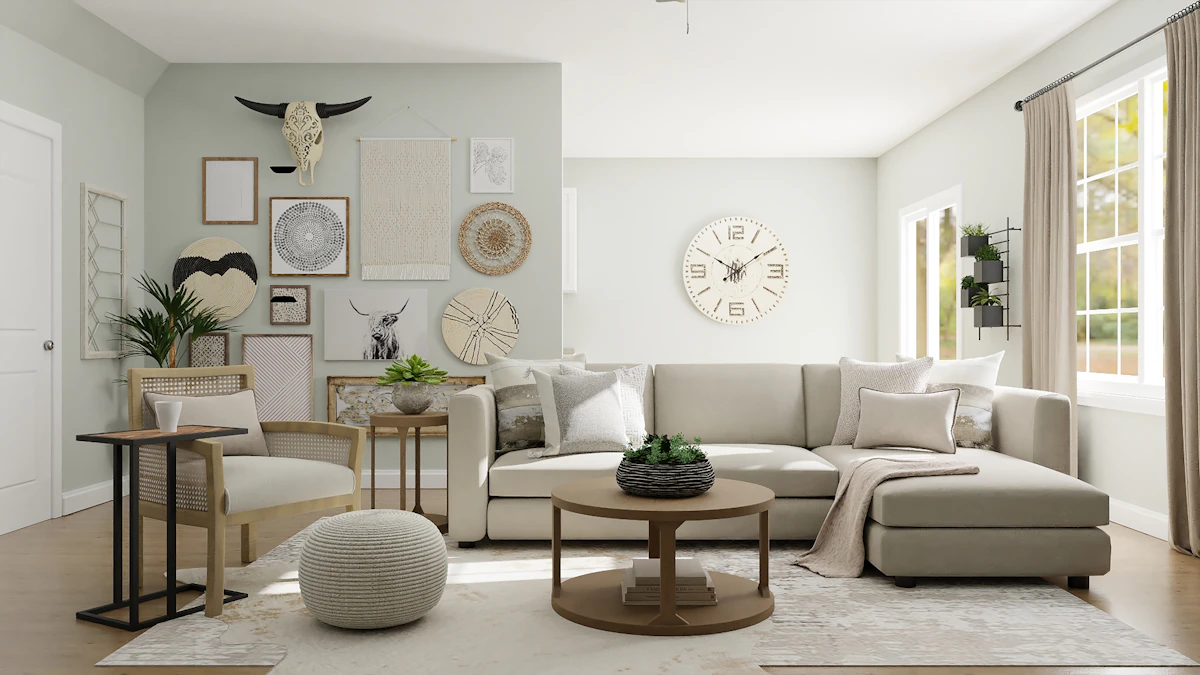
Living room furniture collections are often sourced with a focus on appearance: the curve of a sofa arm, the finish of a coffee table, the shape of a lounge chair, or the color story for a seasonal catalog. Appearance matters, but buyers who source from overseas also need a system for controlling quality before the container leaves the factory. Without that system, small uncertainties about materials, dimensions, packaging, and communication can become expensive problems after arrival.
The first step is to define the collection in writing. A living room set may include sofas, accent chairs, TV units, side tables, coffee tables, ottomans, and shelving. Each item should have a code, dimensions, finish, material description, fabric name, and target market. If the buyer sells to apartments, the scale may need to be compact. If the collection is for large suburban homes or hospitality lounges, deeper seating and heavier tables may be appropriate. Written definitions prevent the supplier from making assumptions that do not match the buyer’s customers.
Material clarity is essential. For case goods, confirm whether panels are solid wood, veneer, MDF, plywood, or a combination. For upholstered pieces, ask about frame structure, spring system, webbing, foam density, and fabric backing. For metal details, request the finish method and corrosion resistance expectations. These questions are not excessive; they are the normal foundation of consistent production. A supplier who answers clearly at the beginning is usually easier to work with when the order becomes more complex.
Sampling should be treated as a working stage, not a ceremonial approval. Sit on the sofa, measure the table, inspect the underside, photograph seams, and compare finishes under different light. If a cushion feels too soft or a drawer gap is uneven, record the issue and ask for a correction before mass production. The approved sample should become the reference for inspection. Buyers should avoid approving a sample verbally without written notes, because memory fades quickly when multiple items are in development.
Color control is especially important for living room collections. A walnut TV unit, coffee table, and side table may be produced in different batches or even different workshops. If the finishes do not align, the collection loses value. Request finish panels and keep one approved set with the buyer or inspection agent. Fabric colors should also be checked against the approved swatch, because digital photos can distort tone. Natural variation is acceptable in many materials, but the acceptable range should be discussed before production.
Many buyers choose to work with a furniture supplier from China because the supply chain can support a wide range of materials, custom details, and project quantities. The advantage is flexibility, but flexibility must be managed. Clear drawings, confirmed samples, inspection checkpoints, and realistic timelines help both sides deliver the collection that was actually intended.
Packaging should be reviewed as carefully as the product. Living room furniture often includes large surfaces that show scratches easily. Coffee table corners, glossy cabinet fronts, sofa legs, and glass or stone inserts need specific protection. Ask for drop-test information if available, or at least request photos of the packed sample. Carton marks should match the item codes and destination requirements. Good packaging is not glamorous, but it is one of the strongest predictors of customer satisfaction.
Inspection timing matters. A pre-production meeting can confirm materials and details. During-production checks can catch mistakes before the full order is complete. Final inspection can confirm quantity, appearance, dimensions, function, and packing. Buyers who wait until the goods arrive in their warehouse have fewer options. Even a simple inspection checklist is better than relying only on trust and photos.
Communication style also affects quality. Short, precise questions work better than long messages with mixed instructions. Use marked drawings, numbered comments, and dated approvals. When a change is made, confirm whether it affects price, lead time, packaging, or other items in the collection. This discipline may feel slow at first, but it prevents confusion during mass production.
Sourcing living room furniture from overseas can be highly effective when buyers combine design ambition with process control. The strongest collections are not created by chance. They are built through clear specifications, honest sampling, finish control, packaging review, and inspection. With those habits in place, buyers can expand product options while keeping quality, cost, and delivery under control.
Leave a Reply