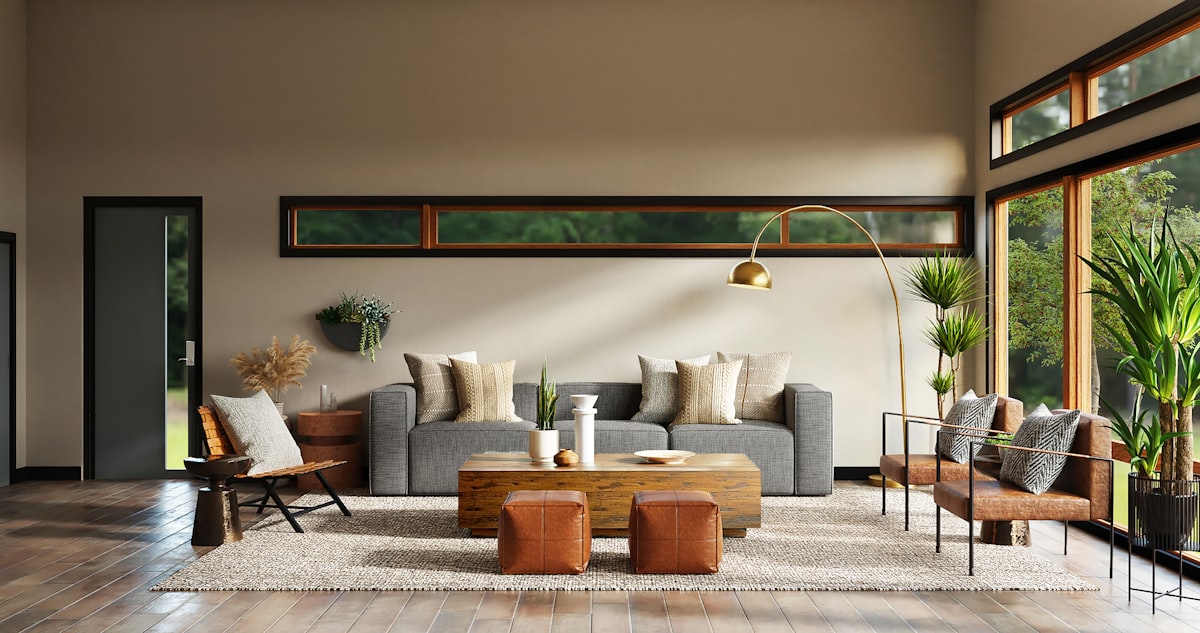
A living room has to do more than look good in a photo. It is where families watch films, guests put down drinks, children climb onto sofas, and renters move furniture more often than owners expect. For that reason, a practical quality checklist is useful for both homeowners and apartment operators. It helps separate attractive furniture from furniture that will remain comfortable, stable, and presentable after daily use.
Begin with the sofa frame. The frame is hidden, but it determines the life of the piece. Look for solid hardwood or strong engineered plywood, reinforced corners, and legs that are attached securely. If a sofa creaks in the showroom or sample room, it is unlikely to improve later. Lift one front corner gently; a well-built frame should feel integrated rather than twisted. For rental apartments, replaceable legs and simple hardware are helpful because damage often happens during moves.
Cushions come next. Very soft cushions can feel luxurious for a few minutes, but they may lose shape quickly in busy homes. A supportive foam core with a softer wrap is often a better balance. Check whether cushion covers are removable, whether zippers are sturdy, and whether the fabric returns smoothly after sitting. If the living room will be used by short-term tenants or many guests, avoid fabrics that require delicate care.
Coffee tables and side tables should be judged by surface durability and edge safety. A glossy surface may show scratches, while a very rough surface can be hard to clean. Rounded corners are useful in family homes and compact apartments. If choosing wood veneer, inspect the edge banding and underside. If choosing stone or sintered stone, confirm the base is stable and the weight is suitable for the floor and delivery route.
Storage furniture is often underestimated. TV units, bookshelves, and cabinets need strong shelves, aligned doors, and backs that resist flexing. Drawers should slide smoothly when partly loaded, not only when empty. Cable access is important for media units, but holes should be placed where they will actually be used. For built-in or semi-custom pieces, working with a custom furniture manufacturer can make dimensions, finishes, and storage details fit the room instead of forcing the room to fit standard furniture.
Finish consistency matters when multiple pieces share an open living space. A sofa leg, coffee table, and TV cabinet do not need to match exactly, but they should feel related. Collect finish samples before ordering a full package. View them in morning and evening light. Warm bulbs can change the appearance of gray fabrics and pale wood, while strong sunlight may reveal undertones that were not obvious online.
For rental apartments, maintenance should guide the final choice. Select fabrics that can handle spot cleaning, tables with replaceable glides, and cabinets with hardware that can be tightened. Keep a small record of product codes and finish names for future replacement. A furniture package becomes much easier to manage when parts are standardized across units, especially in buildings with dozens of similar apartments.
The best living room furniture is not necessarily the heaviest or the most expensive. It is the furniture that matches the way the room is used. Check the frame, cushions, surfaces, hardware, dimensions, and cleaning requirements before purchase. A simple checklist can prevent common regrets and create a living room that feels comfortable on day one and still looks cared for after years of ordinary life.
Layout flexibility is another sign of a smart living room package. A sectional sofa can be comfortable, but it may limit future rearrangement. Two smaller sofas or a sofa with movable lounge chairs can adapt more easily when a family changes habits or a rental unit receives different tenants. Before ordering, mark the furniture footprint on the floor and check walking paths to windows, balconies, and storage doors. Good furniture should support the room rather than block it.
Sustainability can also be considered in practical terms. Durable furniture is often the greener choice because it stays in use longer. Look for replaceable covers, repairable hardware, and finishes that can be refreshed. For apartment operators, choosing a consistent set of parts across multiple units reduces waste because damaged components can be replaced instead of discarding an entire piece. A living room that is easy to repair is easier to keep attractive, and that matters for both comfort and long-term cost.
Delivery and assembly are also part of quality. Measure lifts, staircases, doorways, and corridor turns before selecting oversized sofas or long media cabinets. A piece that cannot be delivered safely may arrive damaged before it is ever used. For flat-pack or partially assembled items, check that connectors are strong and that repeated tightening will not strip the material. Good living room furniture should survive not only daily sitting and storage, but also the practical journey into the home.